
Healthy Chicken Stir Fry Recipes for Weight Loss and Happy Tummies
The 30-Minute Healthy Dinner You’ll Actually Want to Make Every Week
Healthy chicken stir fry is one of the fastest, most nutritious dinners you can make on a weeknight — ready in 30 minutes or less, packed with lean protein and fresh vegetables, and far better than takeout.
Here’s the quick version if you’re short on time:
- What it is: Bite-sized chicken cooked on high heat with vegetables, tossed in a savory homemade sauce
- Calories: Roughly 285–345 per serving (without rice)
- Protein: 26–36g per serving
- Total time: 30 minutes (10–15 min prep, 15–20 min cook)
- Key technique: Cook chicken first, remove it, stir fry vegetables in order from hardest to softest, then combine everything with sauce
- Gluten-free? Yes — swap soy sauce for tamari or coconut aminos
- Best served with: Rice, cauliflower rice, quinoa, or noodles
The beauty of this dish is its flexibility. You can swap vegetables based on what’s in your fridge, adjust the sauce to fit your diet, and have a genuinely healthy dinner on the table before you’d even finish waiting for delivery.
In this guide, you’ll learn exactly how to make it — including the best sauce recipe, which vegetables to use and when, how to keep the chicken juicy, and how to meal prep it for the week ahead.

Why Healthy Chicken Stir Fry is a Weight Loss Powerhouse
When we think about weight loss, we often think about restriction. But a healthy chicken stir fry is all about abundance. You get a massive volume of food for a relatively low caloric “price tag.” Research shows that typical healthy stir fry recipes range from 285 to 343 calories per serving, yet they provide a staggering 26g to 36g of protein.
This high protein content is vital for muscle repair and satiety—that feeling of being full that prevents you from reaching for the snack drawer an hour after dinner. Stir frying is actually a centuries old Chinese cooking technique that relies on high heat and rapid movement. Because the food cooks so quickly, it retains more of its natural nutrients compared to boiling or long stewing.
Furthermore, the sheer amount of fiber from the vegetables helps slow down digestion and keeps your metabolism humming. By using a minimalist approach with just a few high-quality ingredients, we can create a meal that tastes like an indulgence but functions like fuel.
Is Healthy Chicken Stir Fry Good for Weight Loss?
Absolutely. We love this dish because it hits the “trifecta” of weight loss: high protein, high fiber, and low calorie density. Lean poultry, specifically chicken breast, is one of the most efficient ways to get 35g of protein into a single meal without excessive saturated fat.
When you combine this protein with a rainbow of vegetables, you’re also helping with blood sugar regulation. The fiber in the broccoli, peppers, and carrots prevents the “sugar spike” often associated with takeout versions that are loaded with corn syrup. If you are looking for more ways to keep things simple, check out our simple-chicken-recipes-under-5-ingredients for even faster kitchen wins.
Essential Ingredients and Smart Substitutions
To master a healthy chicken stir fry, you need to start with the right building blocks. We recommend using boneless, skinless chicken breast for the leanest option, though chicken thighs are a fantastic choice if you prefer a juicier, more forgiving cut of meat.
Aromatics are the “soul” of the dish. Never skip fresh ginger and garlic! They provide that signature “zing” that makes homemade stir fry taste authentic.
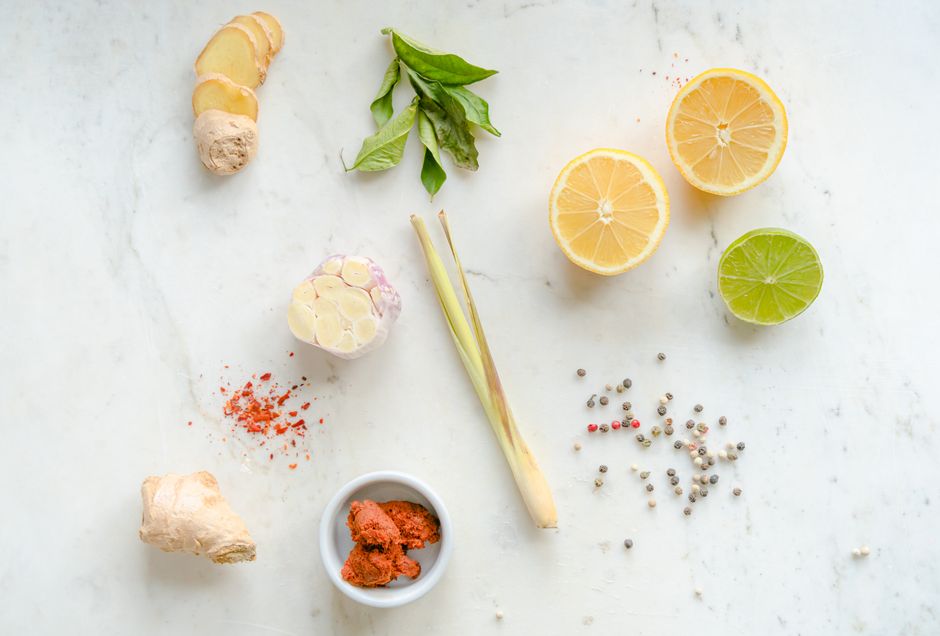
For your cooking fat, choose an oil with a high smoke point. Avocado oil is our top pick because it can handle the intense heat of a wok without breaking down or releasing toxins. Grapeseed oil is another excellent neutral choice. We generally avoid using toasted sesame oil for the actual frying; instead, we stir in a teaspoon at the very end to preserve its delicate, nutty flavor.
Healthy Substitutions for Soy Sauce
Standard soy sauce is delicious, but it can be a “sodium bomb” and contains gluten. If you’re watching your salt intake or have dietary restrictions, you have several brilliant options:
- Coconut Aminos (Soy-Free/Gluten-Free): This is our personal favorite. It’s made from coconut sap and contains about 70% less sodium than soy sauce. It has a slightly sweeter profile that mimics soy sauce almost perfectly.
- Tamari (Gluten-Free): Tamari is a Japanese version of soy sauce that is usually fermented without wheat. It has a richer, deeper “umami” flavor.
- Liquid Aminos: Braggs is a popular brand that is gluten-free and non-GMO, offering a similar taste to soy sauce with a different amino acid profile.
What to Serve with Healthy Chicken Stir Fry Instead of Rice
While white rice is the traditional base, there are so many nutrient-dense alternatives that can help you cut carbs or increase your fiber intake:
- quinoa: This ancient grain is a complete protein and adds a lovely nutty texture.
- shirataki noodles: Often called “miracle noodles,” these are virtually calorie-free and made from konjac yam.
- farro: A chewy, hearty grain that stands up well to thick sauces.
- rice noodles: Great for a more “noodle-bowl” feel.
- Cauliflower Rice: The ultimate low-carb swap. It absorbs the sauce beautifully and adds an extra serving of veggies.
Step-by-Step Guide to the Perfect Healthy Chicken Stir Fry
The secret to a restaurant-quality stir fry isn’t a special ingredient; it’s the technique. Because we’re cooking over high heat, things happen fast. You must have all your ingredients chopped and ready before you even turn on the stove.
- The Prep: Cut your chicken and vegetables into uniform, bite-sized pieces. This ensures everything cooks at the same rate.
- Velveting (The Pro Move): If you want that silky, tender chicken found in Chinese restaurants, try “velveting.” Toss your chicken pieces in a mixture of 1 tablespoon of cornstarch (or arrowroot), a splash of soy sauce, and a teaspoon of oil. Let it sit for 20 minutes before cooking.
- The Sear: Heat your oil until it’s shimmering. Add the chicken in a single layer. Don’t crowd the pan! If you add too much at once, the temperature drops, and the chicken will steam instead of sear. Cook until browned, then remove the chicken and set it aside.
- The Veggie Stage: Add a little more oil if needed and start with your “hard” vegetables.
Following a minimalist-stir-fry-for-quick-dinners approach means you don’t need twenty different veggies. Pick 3 or 4 and cook them in this order:
| Vegetable Hardness | Examples | Cooking Time |
|---|---|---|
| Hard | Carrots, Broccoli stems, Onions | 3-4 Minutes |
| Medium | Bell peppers, Snap peas, Broccoli florets | 2-3 Minutes |
| Soft | Mushrooms, Spinach, Scallions | 1-2 Minutes |
- The Finish: Once the veggies are crisp-tender, add the chicken back into the pan along with your sauce. Toss for 1-2 minutes until the sauce bubbles and thickens.
The Best Healthy Chicken Stir Fry Sauce Recipe
Forget the store-bought jars filled with preservatives and refined sugar. You can whisk together a world-class sauce in sixty seconds using these staples:
- 1/4 cup Chicken Broth (low sodium)
- 1/4 cup Soy Sauce (or Coconut Aminos)
- 1 tbsp Honey (or zero-sugar honey for keto)
- 1 tsp Sesame Oil
- 1 tsp Rice Vinegar
- 1 tsp Fresh Ginger (grated)
- 2 cloves Garlic (minced)
To get that glossy, thick texture that clings to every piece of broccoli, you need a thickener.
- cornstarch: The standard choice. Use 1 tablespoon mixed with a little water to create a “slurry” before adding it to the pan.
- arrowroot powder: A fantastic Paleo-friendly alternative that provides a beautiful sheen.
Pro Tips for Equipment, Meal Prep, and Storage
While you can technically make a stir fry in any pan, the right tools make the process much smoother. A cast iron wok is the gold standard because it retains heat incredibly well, allowing for that “breath of the wok” flavor. If you prefer something lighter, a stainless steel one is also amazing for high-heat searing.
If you don’t own a wok, use any large, high-sided skillet. The high sides are important because they allow you to toss the food vigorously without creating a mess on your stovetop. For those on a budget, budget-friendly-stir-fry-meals are easy to achieve with a single reliable pan.
How to Meal Prep and Store Your Healthy Chicken Stir Fry
We love stir fry because it’s a meal prep champion. Unlike soggy sandwiches, stir fry often tastes even better the next day as the flavors meld.
- Storage: Place your cooled stir fry in airtight containers. It will stay fresh in the refrigerator for 4-5 days.
- Freezing: You can freeze stir fry for up to 3 months. However, be aware that vegetables like bell peppers may lose some of their “crunch” after thawing.
- Reheating: For the best results, reheat in a skillet over medium heat with a tiny splash of water or broth to loosen the sauce. Avoid the microwave if possible, as it can make the chicken rubbery.
- Portioning: If you are cooking for one, stir fry is incredibly easy to scale down. Check out our guide on fast-stir-fry-meals-for-one for more tips.
Frequently Asked Questions about Healthy Chicken Stir Fry
Can I use frozen vegetables in my stir fry?
Yes, you absolutely can! Frozen vegetables are often frozen at the peak of ripeness, meaning they are just as nutritious as fresh ones. To use them, add about 3-4 minutes to your cooking time. We recommend store-bought “stir fry blends” for convenience. Just be careful not to overcook them, as they can release more moisture than fresh veggies, potentially making your sauce a bit thinner.
Do I need a wok or can I use a regular skillet?
You definitely do not need a wok. A large, heavy-bottomed skillet works beautifully. We often use an All-Clad Stainless Steel Fry Pan because it distributes heat evenly. The main rule is to avoid non-stick pans when cooking at very high heat, as the coating can degrade and release fumes. Stainless steel or cast iron are your best friends here.
How do I keep the chicken moist and the vegetables crisp?
This is the most common stir fry struggle! The answer lies in two steps:
- The internal temperature: Use a meat thermometer and pull your chicken off the heat when it hits 160°F. It will carry over to the safe 165°F while it rests and simmers in the sauce.
- The “Stage” Method: Never throw everything in the pan at once. By cooking the chicken first, removing it, and then adding vegetables in stages, you ensure the chicken doesn’t overcook while you’re waiting for the carrots to soften.
Conclusion
At Finance Savex, we believe that healthy eating shouldn’t be complicated or expensive. By mastering the healthy chicken stir fry, you’re adding a versatile, 30-minute weapon to your culinary arsenal that supports your weight loss goals without sacrificing flavor. Whether you’re using up the last of the veggies in your crisper drawer or meal prepping for a busy week, this minimalist approach ensures happy tummies and a healthy lifestyle.
Hungry for more? More budget-friendly meal ideas are just a click away! Happy cooking!
