
Minimalist Meal Prep Ideas for People Who Hate Washing Dishes
Why Most People Quit Meal Prep (And How to Actually Stick With It)
Minimalist meal prep ideas are the fastest way to eat healthy all week without spending hours in the kitchen or facing a sink full of dishes.
Here’s a quick overview of the core approach:
| Goal | Minimalist Solution |
|---|---|
| Save time | Prep once, eat 5+ times |
| Cut costs | Under $50 for a full week of lunches and breakfasts |
| Reduce dishes | One pan, one pot, or one container meals |
| Avoid decision fatigue | Assign default meals to each day |
| Stay consistent | Rotate 2-3 base ingredients with different sauces |
Sound familiar? It’s 5 PM. You’re tired. You have no idea what to eat. So you spend $20 on takeout again.
That daily decision — what am I going to cook? — drains more energy than the cooking itself. It’s called decision fatigue, and it’s the real reason most people give up on eating well during busy weeks.
The good news: you don’t need elaborate recipes, fancy equipment, or a full Sunday dedicated to cooking. Research shows it’s entirely possible to prep a healthy week of meals in 60 minutes for under $50, using just a handful of ingredients and a few containers.
This guide is for anyone who wants simple, repeatable meals — without the overwhelm.

What is Minimalist Meal Prep and Why It Works
At its heart, minimalist meal prep is about energy management. We often think of meal prepping as a physical chore—chopping, sautéing, and scrubbing. But the real drain is the mental load of deciding what to eat three times a day. By narrowing our choices, we reclaim that mental space for things that actually matter.
Minimalism in the kitchen isn’t about deprivation; it’s about intentional living. When we choose a “default meal” for our work lunches, we eliminate the 11 AM panic of “where should I order from?” This approach significantly reduces food waste because we only buy what we know we will use.
For those of us living alone or balancing a hectic career, this strategy is a lifesaver. You can find more tailored advice in our Balanced Meal Prep Guide for Singles or learn the fundamentals in our guide on How to Meal Prep for Healthy Eating.
The secret is to focus on components rather than recipes. Instead of making five different complex dishes, we prep a few high-quality “building blocks”—like a big batch of quinoa, roasted sweet potatoes, and a versatile protein. This allows us to assemble meals in minutes without feeling like we’re eating the exact same thing every day.
The 60-Minute Strategy: Prepping a Week of Meals for Under $50
Can you really feed yourself for a week with just one hour of work and a $50 bill? Absolutely. The key is mental planning before you ever step foot in the grocery store.
The Cost-Benefit Breakdown
Let’s look at the numbers. If the average takeout lunch costs $15, that’s $75 a week. By switching to minimalist meal prep ideas, you can cut that cost by more than half.
| Expense | Eating Out (Weekly) | Minimalist Meal Prep (Weekly) |
|---|---|---|
| Average Lunch Cost | $75.00 | $25.00 |
| Average Breakfast Cost | $35.00 | $10.00 |
| Time Spent (Commute/Wait) | 2.5 Hours | 1 Hour (Prep) |
| Total Weekly Cost | $110.00 | $35.00 |
To hit that $50 target for both breakfast and lunch, we recommend focusing on staples like oats, eggs, rice, beans, and seasonal or frozen vegetables. You can find more budget-saving tips in our Frugal Meal Prep Ideas for Singles.
The 60-Minute Workflow
To move fast, you need to multitask. While your grains (like rice or quinoa) are simmering on the stove, your protein and vegetables should be roasting in the oven.
- Minute 0-10: Preheat the oven to 400°F. Start the water for your grains. Chop any vegetables.
- Minute 10-40: Grains are simmering. Protein and veggies go into the oven on a single sheet pan.
- Minute 40-50: While everything cooks, prepare your “flavor boosters”—sauces, dressings, or spice blends.
- Minute 50-60: Portion everything into containers.
By using these Simple Tricks for Faster Meal Prep, you’ll find that the “chore” of cooking becomes an efficient, almost meditative routine.
Low-Effort Minimalist Meal Prep Ideas with Protein and Vegetables
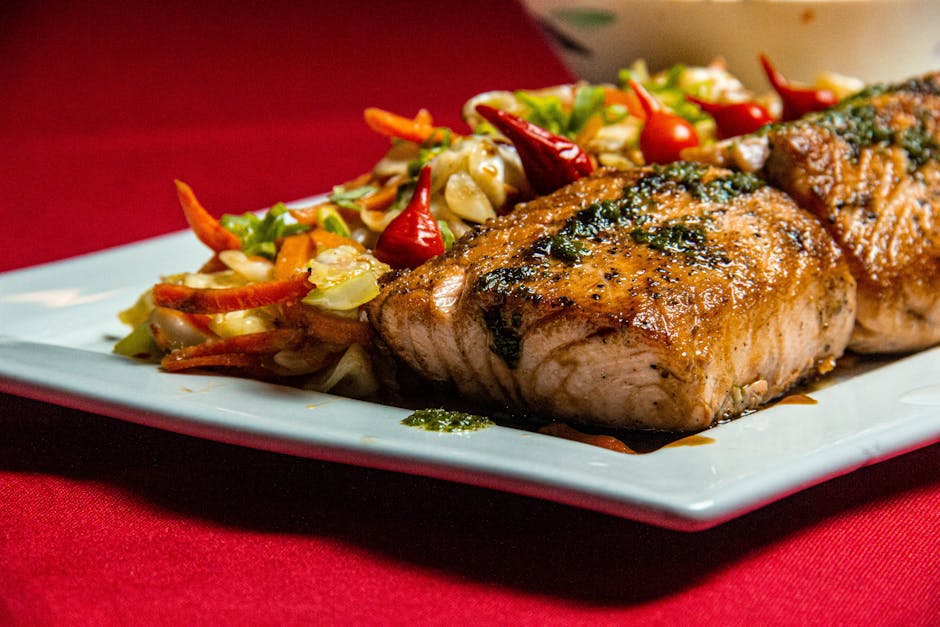
If you hate washing dishes, the sheet pan meal is your best friend. By roasting everything on one tray lined with parchment paper, cleanup takes about thirty seconds.
The Power of Convenience Ingredients
Minimalism doesn’t mean you have to make everything from scratch. In fact, “semi-homemade” is the ultimate minimalist hack.
- Rotisserie Chicken: This is the ultimate low-effort protein. Shred it on Sunday, and you have protein for salads, wraps, and bowls all week.
- Frozen Vegetables: These are often just as nutritious as fresh ones but require zero washing or chopping. Throw a bag of frozen broccoli or stir-fry mix directly onto a roasting pan or into a skillet.
- One-Pot Wonders: Think chili, stews, or thick soups. These improve in flavor as they sit in the fridge, making them perfect for meal prep.
For more inspiration, check out our Simple Meal Prep Recipes for Healthy Eating or our specific guide on Minimalist Meal Prep for Work Lunches.
Quick Lunch and Dinner Minimalist Meal Prep Ideas
When energy is low, we lean on these “no-cook” or “low-cook” assembly ideas:
- Burrito Bowls: Combine canned black beans (rinsed), corn, pre-cooked rice, and shredded rotisserie chicken. Top with salsa and a sprinkle of cheese. No actual cooking required!
- Quinoa Power Bowls: Quinoa is a “minimalist” grain because it cooks in just 15 minutes. Pair it with canned chickpeas, cucumber, and a simple tahini dressing.
- Tofu Cubes: Extra-firm tofu can be patted dry, cubed, and tossed with soy sauce and cornstarch. Bake it alongside some frozen green beans for a high-protein, low-fat meal.
If you’re only cooking for yourself, learning How to Batch Cook for One will prevent you from getting overwhelmed by massive portions.
Building a Repeatable 7-Meal Weekly Plan
The secret to never burning out is the Mix-and-Match System. Instead of committing to five identical Tupperware containers, prep your components and store them separately.
The Component Method
Think of your fridge as a “build-your-own” salad bar.
- Bases: Quinoa, brown rice, or leafy greens.
- Proteins: Hard-boiled eggs, baked salmon, or tofu.
- Vegetables: Roasted sweet potatoes, steamed broccoli, or raw bell peppers.
- Sauces: Hummus, pesto, or a simple lemon-olive oil vinaigrette.
By changing the sauce, you change the entire meal. One day it’s a Mediterranean bowl with hummus; the next, it’s a spicy bowl with Sriracha and mayo. This variety keeps your taste buds happy while keeping the prep work minimal. For more help on this, see our Quick Meal Prep Tips for Singles and Simple Tricks for Faster Meal Prep 2.
Minimalist Meal Prep Ideas for Grab-and-Go Breakfasts
Breakfast is often where the wheels fall off the healthy eating wagon. We keep it simple with options that take less than five minutes of morning effort.
- Overnight Oats: Mix equal parts oats and milk (dairy or plant-based) in a mason jar. Add a spoonful of chia seeds and some frozen berries. By morning, it’s a creamy, delicious pudding.
- Hard-Boiled Eggs: Boil a dozen eggs on Sunday. They stay fresh for up to five days and provide a quick hit of protein.
- Chia Pudding: Similar to oats, but lighter. Perfect for those who aren’t super hungry in the morning but need a nutritional boost.
- Protein Shakes: Keep a high-quality protein powder and some individual almond milk cartons on hand for the ultimate “zero-prep” breakfast.
For more frugal breakfast ideas, check out Frugal Meal Prep Ideas for Singles 2.
Essential Tools and Storage for Freshness
You don’t need a kitchen full of gadgets, but a few high-quality tools make minimalist meal prep ideas much more effective.
- Airtight Glass Containers: Glass is superior to plastic because it doesn’t stain, doesn’t hold odors, and can go straight from the fridge to the microwave or oven.
- Mason Jars: Perfect for salads (put the dressing at the bottom!) and overnight oats.
- Stainless Steel Tiffin Boxes: Great for cold lunches like wraps or snack plates.
Reheating and Safety
To keep your food tasting fresh, don’t overcook your vegetables during the initial prep. If you plan to microwave them later, leave them slightly “al dente.”
According to scientific research on refrigeration and food safety, most cooked meals are safe in the fridge for 3 to 4 days. If you’re prepping for a full 7 days, we recommend freezing half of your portions on Sunday and moving them to the fridge on Wednesday night.
For more storage hacks, read How to Batch Cook for One 2.
Frequently Asked Questions about Minimalist Meal Prep
How do I adapt these ideas for vegan or gluten-free diets?
Minimalist prep is actually easier on these diets because you’re focusing on whole foods.
- Vegan: Swap chicken for chickpeas, lentils, or tempeh. Nutritional yeast is a great minimalist “cheese” substitute that adds B12 and savory flavor.
- Gluten-Free: Focus on naturally gluten-free grains like quinoa, rice, and buckwheat. Avoid pre-packaged sauces which often contain hidden thickeners; stick to simple oil-and-vinegar dressings.
How can I avoid burnout from eating the same meals?
The “Flavor Rotation” is your best friend. Keep a “Flavor Station” in your pantry with 3-4 distinct spice blends:
- Mexican: Cumin, chili powder, and lime.
- Italian: Dried oregano, garlic powder, and balsamic vinegar.
- Asian: Soy sauce, ginger, and sesame oil. Using the same base (chicken and rice) but switching from Italian spices to Asian sauces mid-week makes it feel like a completely different menu.
How long do prepped meals stay fresh in the fridge?
As a general rule, follow the 4-day rule. Most proteins and cooked grains are at their peak for four days. If you want to prep for the entire week:
- Day 1-4: Keep in the fridge.
- Day 5-7: Use freezer-friendly options like burritos, soups, or stews. To prevent sogginess, always keep your dressings and sauces in separate small containers until you’re ready to eat.
Conclusion
At Finance Savex, we believe that healthy eating shouldn’t be a second full-time job. By embracing minimalist meal prep ideas, you’re not just saving money—you’re buying back your time and mental energy.
The goal isn’t to be a gourmet chef every night of the week. The goal is to create sustainable habits that support your busy lifestyle. Start small: try prepping just your lunches for next week. Once you see how much stress it removes from your day, you’ll never want to go back to the 5 PM “what’s for dinner?” panic.
For more inspiration and ultra-simple 4-5 ingredient meals, check out More info about quick recipes. Happy prepping!
