
Quick 4 Ingredient Stir Fry Ideas for Your Next Grocery Run
Why Simple Stir Fry Vegetarian Meals Are the Busy Cook’s Best Friend
Simple stir fry vegetarian dishes are one of the fastest, most flexible meals you can make on a weeknight. Ready in 20 to 30 minutes, packed with vegetables, and built on just a handful of pantry staples — they check every box for busy people who want to eat well without spending hours in the kitchen.
Here’s a quick overview of what you need to get started:
| Element | What to Use |
|---|---|
| Vegetables | Broccoli, bell peppers, carrots, snap peas, mushrooms, bok choy |
| Aromatics | Garlic, ginger, scallions |
| Sauce | Soy sauce, sesame oil, rice vinegar, cornstarch |
| Oil | Avocado, vegetable, or canola oil (high smoke point) |
| Serve over | Rice or noodles |
A single batch of stir fry sauce covers around 8 cups of raw vegetables. That means one prep session can feed 4 to 6 people for roughly 146 to 255 calories per serving, with solid protein and fiber included.
The real magic? You don’t need a fancy wok or chef-level skills. A large skillet works just fine. The biggest wins come from high heat, good prep, and knowing which vegetables to add first.
This article walks you through the top 4-ingredient combinations worth trying, the best simple sauce, and the exact steps to get crisp, flavorful results every time.
Essential Components of a Simple Stir Fry Vegetarian Base
To master the art of the simple stir fry vegetarian meal, we need to look at it as a construction project. You don’t need thirty different ingredients; you need the right four or five. At Finance Savex, we believe in Minimalist Stir-Fry for Quick Dinners because it reduces decision fatigue and gets you from the “I’m hungry” stage to the “I’m eating” stage in record time.
The foundation of any great stir fry consists of:
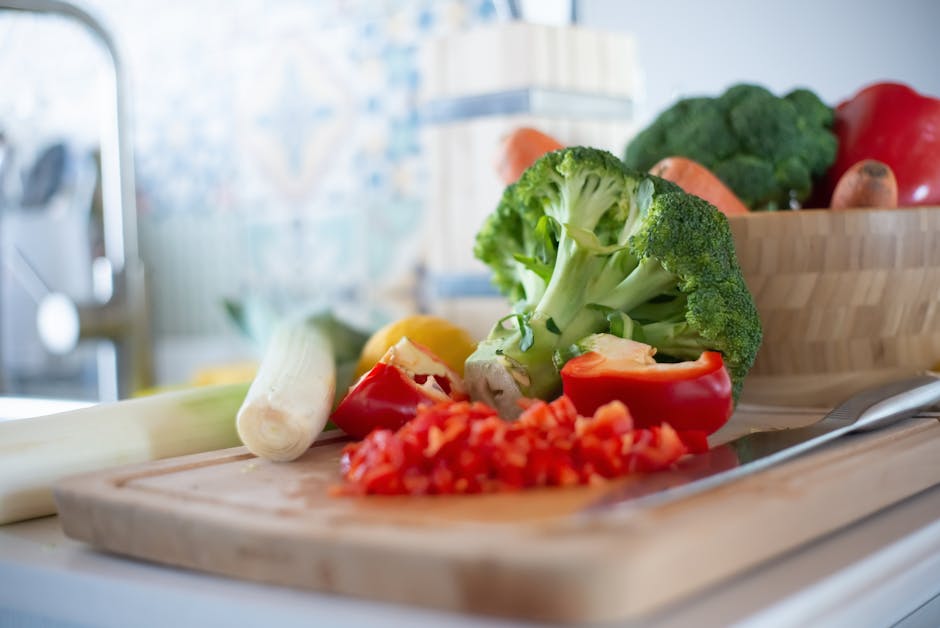
- Crunchy Vegetables: Think broccoli, carrots, bell peppers, and snap peas. These provide the bulk and the “bite.”
- Leafy Greens: Spinach, kale, chard, or bok choy. These wilt down and absorb the sauce beautifully.
- Aromatics: Garlic and ginger are the soul of the dish. They provide that fragrance that makes your neighbors jealous.
- High-Smoke Point Oil: This is non-negotiable. Because stir-frying requires high heat, you need an oil that won’t burn and turn bitter. Avocado, canola, or grapeseed oil are your best bets.
Research into quick-heat vegetable cooking, such as studies highlighted by the Harvard T.H. Chan School of Public Health, shows that stir-frying is actually one of the healthiest ways to prepare your produce. Because the vegetables are cooked quickly over high heat, they retain more water-soluble vitamins (like Vitamin C and B vitamins) compared to boiling, where nutrients often leach out into the water. In fact, a standard vegetable stir fry can provide over 100% of your daily Vitamin C requirement in a single serving!
For those nights when you really want to strip things back, check out our guide on 4-Ingredient Veggie Stir-Fry: Minimalist Magic. It’s the ultimate “fridge clean-out” hero.
Top 4 Minimalist Stir Fry Combinations to Evaluate
When you’re standing in the grocery aisle, it’s easy to get overwhelmed by the variety. To keep things simple, we’ve evaluated and selected four powerhouse combinations. These pairings are designed for maximum nutrient density, contrasting textures, and flavor harmony. If you’re looking for more variety, we have a list of Under 30 Healthy Stir-Fry Options for Busy Families that are total crowd-pleasers.
1. Broccoli, Tofu, and Garlic
This is the “Old Reliable” of the vegetarian world. It offers a massive hit of plant protein from the firm tofu and a satisfying cruciferous crunch from the broccoli. The key here is to press your tofu first to get it extra crispy, then let the minced garlic toast in the oil for just 30 seconds before tossing everything together. It’s a 30-Minute Veggie Stir-Fry That Actually Tastes Good because the textures are so distinct.
2. Bell Peppers, Snap Peas, and Ginger
If you want a plate that looks like a rainbow, this is it. Bell peppers provide a sweetness that balances the aromatic heat of fresh ginger. Snap peas add a refreshing pop. This combination is incredibly high in Vitamin C and requires very little prep—just a quick slice of the peppers and you’re ready to sauté.
3. Mushrooms, Bok Choy, and Sesame
For those who crave “meatiness” without the meat, mushrooms (especially shiitake or cremini) are the answer. They provide deep umami notes that pair perfectly with the tender, leafy stems of bok choy. A drizzle of toasted sesame oil at the very end ties the earthy flavors together.
4. Carrots, Cabbage, and Scallions
This is our favorite budget-friendly option. Cabbage and carrots are incredibly cheap, have a long shelf life, and are packed with fiber. When cooked quickly, the cabbage maintains a slight sweetness and a great crunch. The scallions (green onions) provide a sharp, fresh finish that cuts through the savory sauce.
Mastering the Simple Stir Fry Vegetarian Sauce
The sauce is what transforms a pile of cooked vegetables into a restaurant-quality meal. While store-bought sauces are tempting, they are often loaded with excess sugar and preservatives. Making your own takes about 60 seconds and allows you to control the sodium levels.
The Best 4-Ingredient Sauce for Simple Stir Fry Vegetarian Success
If you have these four items in your pantry, you can make a world-class simple stir fry vegetarian sauce:
- Low-sodium Soy Sauce: Provides the salty, savory base.
- Honey (or Brown Sugar): Adds a touch of sweetness to balance the salt.
- Rice Vinegar: Provides the necessary tang.
- Toasted Sesame Oil: For that authentic, nutty aroma.
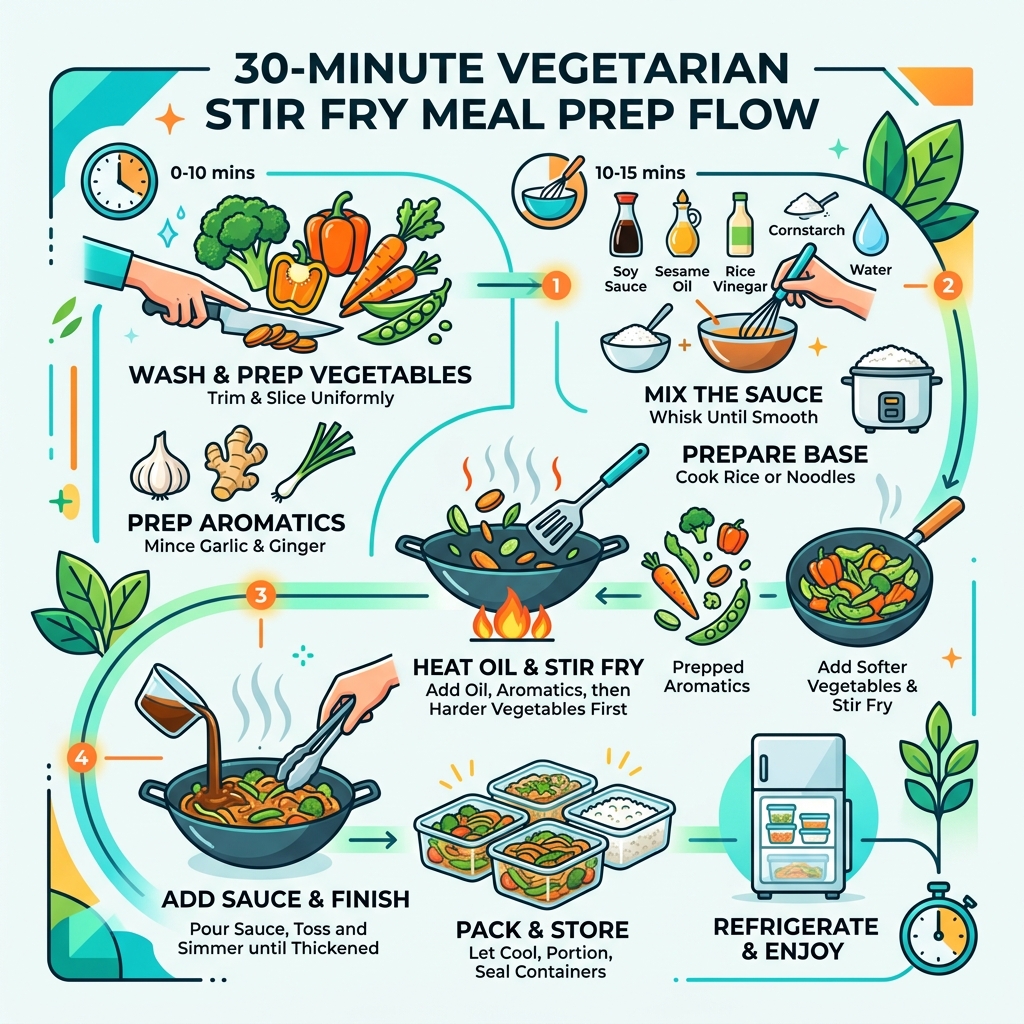
To make it, simply whisk these together with a teaspoon of cornstarch (or arrowroot starch). The starch is the “secret” ingredient—it ensures the sauce clings to the vegetables rather than pooling at the bottom of the pan. For a deep dive into garlic-heavy versions, see our Simple and Healthy Garlic Broccoli Stir-Fry.
Customizing for Dietary Needs
One of the reasons we love How to Master Vegan 30-Minute Recipes in a Flash is the ease of substitution.
- Gluten-Free: Swap soy sauce 1:1 for Tamari or coconut aminos.
- Vegan: Use maple syrup or agave instead of honey.
- Spicy: Add a pinch of red pepper flakes or a teaspoon of Sriracha to the whisked sauce.
- Extra Thick: If you’re using Stir-Fry Noodles That Are Actually Good for You, you might want a slightly thicker sauce to coat the strands—just add an extra half-teaspoon of cornstarch.
Step-by-Step Guide to Perfect Texture and Crispness
The biggest mistake beginners make is ending up with “steamed” vegetables instead of “stir-fried” ones. To get that signature wok hei (the breath of the wok), you need heat and speed.
Choosing and Preparing Vegetables for Even Cooking
Preparation is everything. Because the cooking process only takes 5-7 minutes, you cannot be chopping while the pan is hot. This is called mise en place.
- Uniform Slicing: Cut your vegetables into similar-sized pieces so they cook at the same rate.
- Layering: Add “hard” vegetables like carrots and broccoli first. They need about 3-4 minutes. “Soft” vegetables like peppers and mushrooms go in next for 2 minutes. Leafy greens go in last for the final 60 seconds.
- Blanching: If you’re worried about undercooked broccoli, you can blanch the florets in boiling water for 2 minutes, then shock them in cold water before stir-frying. This ensures they are tender-crisp and bright green.
Mastering these Fast Stir-Fry Meals for One starts with your knife skills. Slicing on a diagonal (bias) creates more surface area for the sauce to cling to!
Equipment and Pro-Tips for Busy Weeknights
While a carbon steel wok is the traditional tool, a large cast iron skillet or a heavy non-stick pan works beautifully. The goal is heat retention.
| Feature | Wok | Skillet |
|---|---|---|
| Heat Distribution | Concentrated at the bottom | Even across the base |
| Tossing Ease | High (sloping sides) | Medium |
| Best For | High-flame gas stoves | Electric or induction tops |
Pro-Tip: Don’t Overcrowd! If you put too many vegetables in the pan at once, the temperature drops, the veggies release moisture, and they begin to steam. If you’re cooking for a crowd, cook the veggies in two batches. Trust us, it’s worth the extra five minutes to avoid mushiness. For more efficiency tips, read How to Make a 30-Minute Stir-Fry Without Breaking a Sweat.
Frequently Asked Questions about Vegetarian Stir Fry
Can I use frozen vegetables for a simple stir fry vegetarian dish?
Yes! Frozen vegetables are a lifesaver for busy weeknights. However, they contain more moisture than fresh ones. To prevent a soggy stir fry, thaw them completely and pat them dry with a paper towel before adding them to the hot pan. They won’t be quite as “crunchy” as fresh, but they are just as nutritious.
How do I store and reheat leftovers without them getting mushy?
Stir fry is excellent for meal prep. Store leftovers in an airtight container in the fridge for up to 4 days. When reheating, avoid the microwave if possible—it makes the veggies rubbery. Instead, toss them back into a hot skillet for 2-3 minutes. The flavors actually deepen overnight, making day-two stir fry a real treat. If you’re looking for more ideas, check out How to Make a Healthy Vegetable Stir-Fry in 20 Minutes.
Why is high heat so important for stir-frying?
High heat causes rapid evaporation of the moisture on the surface of the vegetables. This allows for searing and caramelization (the Maillard reaction) rather than boiling. This is how you get that “restaurant taste.” Just be sure to keep the vegetables moving constantly so they don’t burn!
Conclusion
At Finance Savex, we believe that eating healthy shouldn’t be a financial or time-consuming burden. Mastering a simple stir fry vegetarian recipe is like having a superpower—it’s the ultimate way to turn a few humble vegetables into a vibrant, satisfying meal in less time than it takes to order takeout.
Whether you’re using our 4-ingredient sauce or experimenting with your own combinations, the key is to keep it minimalist and keep the heat high. Ready to save even more on your grocery bill? Dive into our collection of Budget-Friendly Stir-Fry Meals and start cooking smarter today!
