
Simple Stir Fry Lunch Ideas for Healthy Humans
Fast Stir Fry Recipes: Your Quickest Path to a Healthy Lunch
Fast stir fry recipes are one of the simplest ways to get a hot, nutritious meal on the table in under 30 minutes — often in as little as 15.
Here’s a quick overview of how to make a fast stir fry:
- Prep everything first — chop your protein and vegetables before you turn on the heat
- Sear on high heat — cook protein first (3-7 minutes), then vegetables (5-7 minutes)
- Add sauce last — pour in your sauce and let it thicken for 1-2 minutes
- Serve immediately — over rice, noodles, or cauliflower rice
The beauty of stir fry is its flexibility. You can swap proteins, mix in whatever vegetables are in your fridge, and adjust the sauce to fit your diet — gluten-free, low-sodium, or vegan.
A beef stir fry can be done in 25 minutes at around 268 calories per serving. A chicken version takes about 30 minutes and comes in at roughly 297-345 calories. A simple veggie stir fry? Just 20 minutes.
This guide will walk you through every step — from picking the right protein to prepping sauces in advance — so busy weeknights feel a lot less stressful.
Why Stir-Fry is the Ultimate Fast Lunch
When we talk about the “ultimate” lunch, we aren’t just looking for something that tastes good. We want speed, health, and minimal cleanup. This is where fast stir fry recipes shine. The core of this method is “flash cooking.” By using intense, high heat for a very short duration, we achieve two things: we build complex flavors through caramelization and we keep our kitchen time to a minimum.
From a nutritional standpoint, stir-frying is a powerhouse. Because the cooking time is so brief, vegetables retain more of their vitamins and minerals compared to boiling or long roasting. In fact, scientific research on stir-fry nutrient retention suggests that this high-heat, short-time method is one of the best ways to preserve heat-sensitive antioxidants and vitamins like Vitamin C.
For those of us tracking our macros or calories, stir-fry is incredibly efficient. A serving of quick beef stir-fry can contain as little as 268 calories while providing a massive 23g of protein. If you prefer poultry, chicken stir-fry recipes typically range from 297 to 345 calories per serving, offering about 28g of protein and 3g of fiber.
Efficiency isn’t just about the cooking; it’s about the mental load. We love that a stir-fry is essentially a one-pan meal. Whether you are aiming for a 25-minute beef dish or an 18-minute chicken dinner, the process remains the same, making it the perfect “no-brain” weeknight rotation.
Master the 15-Minute Method for Fast Stir Fry Recipes
The secret to a 15-minute meal isn’t moving your hands faster; it’s about the order of operations. In our kitchen, we live by the rule of mise en place—a French term that simply means “everything in its place.” Because fast stir fry recipes move so quickly, you won’t have time to chop a carrot while the garlic is in the pan. If you try, you’ll likely end up with burnt garlic and raw carrots.
To achieve that restaurant-quality sear rather than a soggy steam, you must use a high smoke point oil. We recommend canola oil or peanut oil. These oils can handle the intense heat required to brown meat in under 4 minutes without breaking down or tasting bitter.
At Finance Savex, we specialize in minimalist-stir-fry-for-quick-dinners. This means focusing on 4-5 high-quality ingredients so you aren’t overwhelmed by a long grocery list.
The 15-Minute Workflow:
- Minutes 0-7: Chop protein into uniform 1-inch pieces and slice veggies thinly. Whisk your sauce.
- Minutes 7-10: Heat the oil until it’s shimmering. Sear the protein in a single layer.
- Minutes 10-13: Remove protein, toss in the “hard” veggies (like broccoli), then the “soft” ones (like spinach).
- Minutes 13-15: Add the protein back, pour in the sauce, and toss until glossy.
By cooking in batches—searing the meat first and then the vegetables—you ensure the pan stays hot enough to sear. If you overcrowd the pan, the temperature drops, the juices leak out, and you end up “stewing” your dinner.
Essential Equipment for Fast Stir Fry Recipes
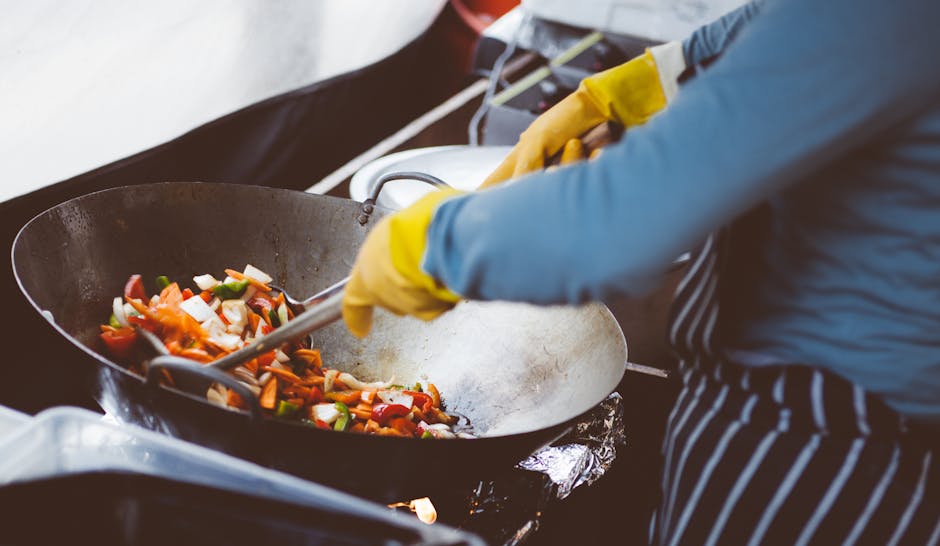
While you might think you need a traditional carbon steel wok to get started, we have found that a large non-stick or cast iron skillet works perfectly well on standard home stoves. Most home burners don’t produce enough concentrated heat to fully utilize a wok’s shape, so a flat-bottomed skillet often provides better contact with the heat source.
If you are just starting out, check out our guide on how-to-make-a-30-minute-stir-fry-without-breaking-a-sweat for a deep dive into pan selection. The most important tool, however, is a high-heat spatula. You need something that can move ingredients constantly and withstand high temperatures without melting.
Choosing Your 5-Ingredient Base: Proteins and Prep
The foundation of any great stir-fry is the protein. To keep things fast, we look for “quick-cook” options.
Protein Cook Times at High Heat:
| Protein | Prep Style | Cook Time |
|---|---|---|
| Shrimp | Whole (peeled/deveined) | 3-4 Minutes |
| Flank Steak | Thinly sliced (against grain) | 3-4 Minutes |
| Chicken Breast | 1-inch cubes | 5-7 Minutes |
| Tofu | Pressed and cubed | 5-7 Minutes |
One of our favorite “chef secrets” for beef is a technique called velveting. To make even economical cuts like beef chuck or rump steak “freakishly tender,” toss the sliced meat with 1/2 teaspoon of baking soda and let it sit for 20 minutes. Rinse it thoroughly and pat it dry before cooking. This simple step breaks down the fibers, ensuring your beef is succulent rather than chewy.
For chicken, we often prefer chicken thighs over breasts because they are juicier and more forgiving if you accidentally cook them a minute too long. Regardless of the meat, always cut it into uniform, bite-sized pieces to ensure everything finishes cooking at the exact same time.
Best Vegetables for Fast Stir Fry Recipes
The goal for stir-fry vegetables is “crisp-tender”—bright in color with a satisfying snap. To avoid the dreaded “soggy veggie” syndrome, we add them to the pan based on how long they take to soften.
Start with your “hard” vegetables:
- Broccoli and Carrots: These need about 5 minutes. To speed them up, you can even par-cook broccoli in the microwave for 60 seconds before it hits the pan.
- Bell Peppers and Snap Peas: These take about 3-4 minutes and add a beautiful sweetness.
- Cabbage and Leafy Greens: These should go in last, as they wilt in about 60 seconds.
For more ideas on how to keep your grocery bill down while eating healthy, see our tips on budget-friendly-stir-fry-meals. Using versatile staples like cabbage and onions is a great way to add bulk without spending a fortune.
The Secret to Quick Stir-Fry Sauce and Flavor Hacks
A great sauce is what pulls the whole dish together. While store-bought sauces are convenient, they are often loaded with excess sugar and sodium. We prefer a simple 4-ingredient base that you can whisk together in 60 seconds:
- Low-sodium Soy Sauce (or Coconut Aminos): For that savory “umami” base.
- Honey or Brown Sugar: To balance the salt with a hint of sweetness.
- Toasted Sesame Oil: For a nutty, aromatic finish.
- Cornstarch Slurry: A mix of cornstarch and water that thickens the sauce into a glossy glaze.
If you are looking for healthy-chicken-stir-fry-recipes-for-weight-loss-and-happy-tummies, consider swapping soy sauce for coconut aminos. It contains about 70% less sodium and is naturally gluten-free.
To take your flavor to the next level, don’t forget the aromatics. Freshly minced garlic and ginger are the “savory backbone” of any stir-fry. Add them to the pan just 30 seconds before the sauce so they become fragrant without burning. Once the sauce hits the hot pan, it should come to a simmer and thicken in about 1-2 minutes, perfectly coating every piece of chicken and broccoli.
Meal Prep and Storage for Healthy Humans
One of the best things about fast stir fry recipes is how well they work for meal prep. A single batch of stir-fry sauce can be stored in the refrigerator for up to a week or frozen for up to 3 months.
If you’re cooking for one, check out our guide on fast-stir-fry-meals-for-one to learn how to scale these recipes down.
Storage Guidelines:
- Fridge: Most chicken and beef stir-fries will stay fresh in an airtight glass container for 4-5 days.
- Freezer: You can freeze cooked stir-fry for up to 3 months. However, be aware that vegetables like bell peppers may lose some of their “snap” after thawing.
- Pre-chopping: You can chop your vegetables up to 3 days in advance. Store them in a sealed bag with a paper towel to absorb excess moisture.
When reheating, we recommend using a skillet over medium heat rather than the microwave. This helps “revive” the texture of the protein and keeps the sauce from becoming too watery.
Expert Tips for Quick Weeknight Meals
Even with a simple recipe, things can go wrong in a hot pan. Here are the answers to the most common questions we get about mastering the art of the stir-fry.
How do I keep my stir-fry from getting soggy?
Sogginess is usually caused by “steaming” rather than “frying.” This happens when there is too much moisture in the pan. To prevent this:
- Dry your ingredients: Pat your meat and washed vegetables dry with a paper towel before they hit the oil.
- Don’t overcrowd: Cook in batches if your pan isn’t large enough.
- Maintain high heat: If you hear a sizzle, you’re frying. If the sizzling stops, your pan is too cold.
What is the best oil for high-heat stir-frying?
You need an oil with a high smoke point. We recommend canola oil, peanut oil, or grapeseed oil. Avoid using extra virgin olive oil or butter for the initial frying, as they will burn and create a bitter flavor. Save the toasted sesame oil for the sauce or as a finishing oil, as its flavor is delicate and can be destroyed by extreme heat.
Can I use frozen vegetables in a fast stir-fry?
Yes! Frozen vegetables are a great time-saver. However, they release more water than fresh ones. To get the best results, thaw them completely and squeeze out any excess moisture before adding them to the pan. Alternatively, toss them in while still frozen but keep the heat at its highest setting to evaporate the liquid as quickly as possible.
Conclusion
At Finance Savex, we believe that healthy eating shouldn’t be a chore. By mastering a few fast stir fry recipes, you gain the ability to turn whatever is in your fridge into a balanced, high-protein meal in less time than it takes to order takeout.
Remember the minimalist approach: start with a solid protein, add 2-3 colorful veggies, and finish with a simple, 4-ingredient sauce. Whether you’re meal prepping for the week or looking for a 15-minute lunch, the stir-fry is your best friend in the kitchen.
For more tips on living a balanced lifestyle through simple food, check out More info about healthy choices. Happy cooking!
