
Under 30 Healthy Stir Fry Options for Busy Families
The Secret to a Perfect Under 30 Healthy Stir Fry
Achieving a restaurant-quality under 30 healthy stir fry at home isn’t about magic; it’s about physics. Traditional stir-frying is a centuries-old technique designed for speed and nutrient retention. By using high heat for a short duration, we sear the outside of our ingredients, locking in vitamins like Vitamin A and C, which can reach over 200% of your daily value in a single vegetable-heavy serving. This rapid cooking method ensures that the cellular structure of the vegetables remains intact, providing that signature “snap” that defines a professional dish while preventing the loss of water-soluble nutrients that often occurs during boiling or long-term roasting.
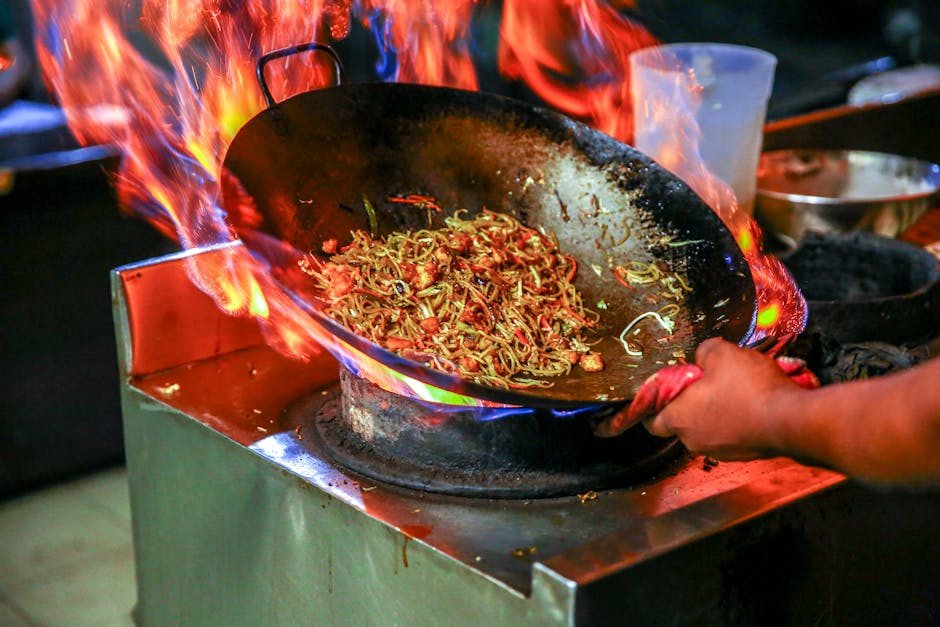
High-Heat Searing and Smoke Point Science
The biggest mistake home cooks make is treating their skillet like a stew pot. If your pan isn’t “screaming hot,” your vegetables will release water and steam rather than sear. To reach these temperatures without filling your kitchen with acrid smoke, you must use oils with high smoke points.
We recommend avocado oil (smoke point ~520°F) or grapeseed oil (~420°F). Avoid extra virgin olive oil or unrefined coconut oil for the actual frying, as they break down at high temperatures, creating off-flavors and potentially unhealthy compounds. Save the toasted sesame oil for a finishing drizzle; its low smoke point means it should only hit the pan in the final 30 seconds to preserve its nutty aroma.
Mise en Place: The Non-Negotiable Step
In a 15-minute recipe, there is zero time to chop an onion while the garlic is already browning. Mise en place—a French term for “everything in its place”—is the backbone of any under 30 healthy stir fry. You must have your protein sliced, your vegetables chopped, and your sauce whisked before the heat ever touches the pan. This preparation phase is where the “under 30” promise is truly kept. When your pan is at its peak temperature, even a thirty-second delay to find the soy sauce can result in burnt garlic or overcooked shrimp. If you want to learn the specifics of organizing your kitchen for speed, check out our guide on how to make a 30-minute stir-fry without breaking a sweat.
Batch Cooking and Vegetable Staging
To prevent the dreaded “soggy pile,” never overcrowd the pan. If you are cooking for a family of four, sear your protein in two batches, remove it, and then cook your vegetables. This technique, often called “crowd control,” ensures that the pan temperature remains high enough to create the Maillard reaction—the chemical process that gives seared meat and vegetables their complex, savory flavor.
Stage your vegetables by density:
- Hard Veggies (4-6 mins): Carrots, broccoli stems, and onions.
- Medium Veggies (2-3 mins): Bell peppers, snap peas, and mushrooms.
- Soft/Leafy Veggies (1 min): Bok choy leaves, spinach, or scallions.
Quick-Cooking Proteins for an Under 30 Healthy Stir Fry
When time is of the essence, the cut of meat matters as much as the heat. You want proteins that reach safe temperatures in under 6 minutes.
- Chicken Thighs: Our top recommendation. Unlike breasts, which can dry out and become “chalky” in high heat, thighs stay juicy and absorb sauces better.
- Lean Pork Tenderloin: Slice this into thin, bite-sized strips. A pro tip we love: toss your sliced pork in a teaspoon of cornstarch (or arrowroot for Paleo) before frying. This creates a protective barrier that keeps the meat tender even if you overcook it slightly.
- Shrimp: The ultimate “emergency” protein. Shrimp cooks in roughly 2-3 minutes. Just be sure to pat them very dry before they hit the oil to ensure a good sear.
- Extra-Firm Tofu: For a meatless option, press the water out of your tofu for 10 minutes, cube it, and sear until golden.

If you’re cooking for yourself, these proteins are easy to scale down. Explore our fast stir-fry meals for one for more tailored portion tips.
Low-Carb Bases for an Under 30 Healthy Stir Fry
To keep your meal within “healthy” parameters, especially for Whole30 or Paleo diets, the base is key. While jasmine or brown rice are classics, many of our favorite under 30 healthy stir fry options swap grains for nutrient-dense vegetables.
- Cauliflower Rice: Pan-fry this separately with a little salt to get a toasted flavor.
- Zucchini Noodles (Zoodles): These only need 60 seconds in the pan at the very end. Any longer and they turn to mush.
- Konjac or Shirataki Noodles: These are virtually zero-calorie and grain-free, making them perfect for Keto enthusiasts.

For those focused on weight goals, we have curated a list of healthy chicken stir-fry recipes for weight loss and happy tummies that focus specifically on these high-fiber, low-carb bases.
Comparing Fast and Healthy Stir Fry Options
When choosing your meal, it helps to see how different proteins and styles stack up. Here is a comparison of common under 30 healthy stir fry profiles:
| Feature | Whole30 Chicken Stir Fry | Spicy Pork Stir Fry | Veggie-Only Stir Fry |
|---|---|---|---|
| Thickener | Arrowroot Starch | Cornstarch | None (Reduction) |
| Sweetener | Medjool Date/None | Brown Sugar | Honey/Maple Syrup |
| Salt Source | Coconut Aminos | Soy Sauce | Tamari (Gluten-Free) |
| Fat Type | Avocado Oil | Olive Oil | Grapeseed Oil |
| Key Benefit | Anti-inflammatory | High Protein/Low Cost | Low Calorie/High Fiber |
The Sauce: Flavor Without the Junk
The “secret sauce” of takeout is often loaded with refined sugar and excessive sodium. For a healthy alternative, we use coconut aminos. It has about 70% less sodium than traditional soy sauce and a natural sweetness that mimics the flavor of teriyaki without the added sugar.
Don’t forget the aromatics. Freshly grated ginger and garlic are powerhouses for flavor and health. Scientific research on the anti-inflammatory properties of ginger and garlic suggests these ingredients do more than just make your kitchen smell amazing—they may help reduce muscle pain and support your immune system.
Budget-Friendly Hacks for Quick Weeknight Meals
Healthy eating shouldn’t break the bank. Stir-fries are the “original clean-out-the-fridge meal.” Have half a bell pepper and a handful of wilting spinach? Throw them in.
- Frozen Veggies: You don’t always need fresh. Frozen broccoli or stir-fry blends are flash-frozen at peak ripeness. The trick: do not thaw them. Add them directly to a screaming hot pan. They will release moisture, so keep the heat at maximum to evaporate it quickly.
- Bulk Buying: Buying large bags of carrots, onions, and frozen chicken thighs can bring the cost per serving down to under $3.00.
- Reducing Waste: Use the broccoli stems! Peel the woody outer layer, slice the tender inside into matchsticks, and they cook just like water chestnuts.
For more ways to save, check out our collection of budget-friendly stir-fry meals.
Meal Prep and Reheating
Stir-fries are meal-prep champions. They stay fresh in airtight glass containers for up to 4 days. When reheating, avoid the microwave if you want to maintain crispness. Instead, toss the leftovers back into a hot skillet for 2 minutes with a teaspoon of water and cover it to “steam-fry” the ingredients back to life.
Frequently Asked Questions about Under 30 Healthy Stir Fry Prep
How do I prevent my stir fry vegetables from getting soggy?
Sogginess is caused by moisture and low heat. To avoid it:
- Dry your veggies: After washing, use a salad spinner or paper towels. Water on the surface of a vegetable creates steam.
- High Heat: Your pan should be shimmering hot.
- Batch Cook: If you put too many cold vegetables in the pan at once, the temperature drops, and the veggies begin to “boil” in their own juices.
What are the best high-smoke-point oils for healthy cooking?
As we mentioned, avocado oil is the gold standard for high-heat cooking. It is heart-healthy and neutral in flavor. Grapeseed oil is a more budget-friendly alternative. Avoid butter or unrefined oils, which will burn and turn bitter before your vegetables are even tender.
Can I use an air fryer to speed up my stir fry?
Yes! A popular “hack” for an under 30 healthy stir fry is to cook the protein in an air fryer while you sauté the vegetables on the stove. Coating chicken pieces in a little tapioca starch and air-frying them at 375°F for 10-12 minutes creates an incredibly crispy texture with a fraction of the oil used in deep frying.
Conclusion
At Finance Savex, we believe that a busy schedule shouldn’t be an excuse for poor nutrition. Mastering the under 30 healthy stir fry is the ultimate “life hack” for the modern family. By focusing on high-heat techniques, smart oil choices, and minimalist ingredient lists, you can create meals that are faster than a delivery driver and significantly better for your body.
By reclaiming your kitchen with these efficient strategies, you not only save money but also gain total control over the quality of your fuel. Our mission is to prove that healthy living is accessible, affordable, and, most importantly, achievable in the small windows of time we have between work, school, and rest. Every meal is an opportunity to nourish your family without the stress of a long cleanup or a complicated grocery list.
If you’re looking for even simpler options, our minimalist stir-fry for quick dinners focuses on 4-5 ingredient meals that take the guesswork out of your evening. Ready to transform your weeknight routine? Explore more healthy choices on our site and start cooking smarter today. Your journey toward a more efficient and nutritious lifestyle starts with a single, sizzling pan.
