
The Minimalist Guide to One Skillet Healthy Recipes
Why Busy People Love Healthy Rice Bowl Recipes
Healthy rice bowl recipes are one of the fastest ways to get a balanced, nutritious meal on the table in under 30 minutes.
Here’s the quick answer if you need it now:
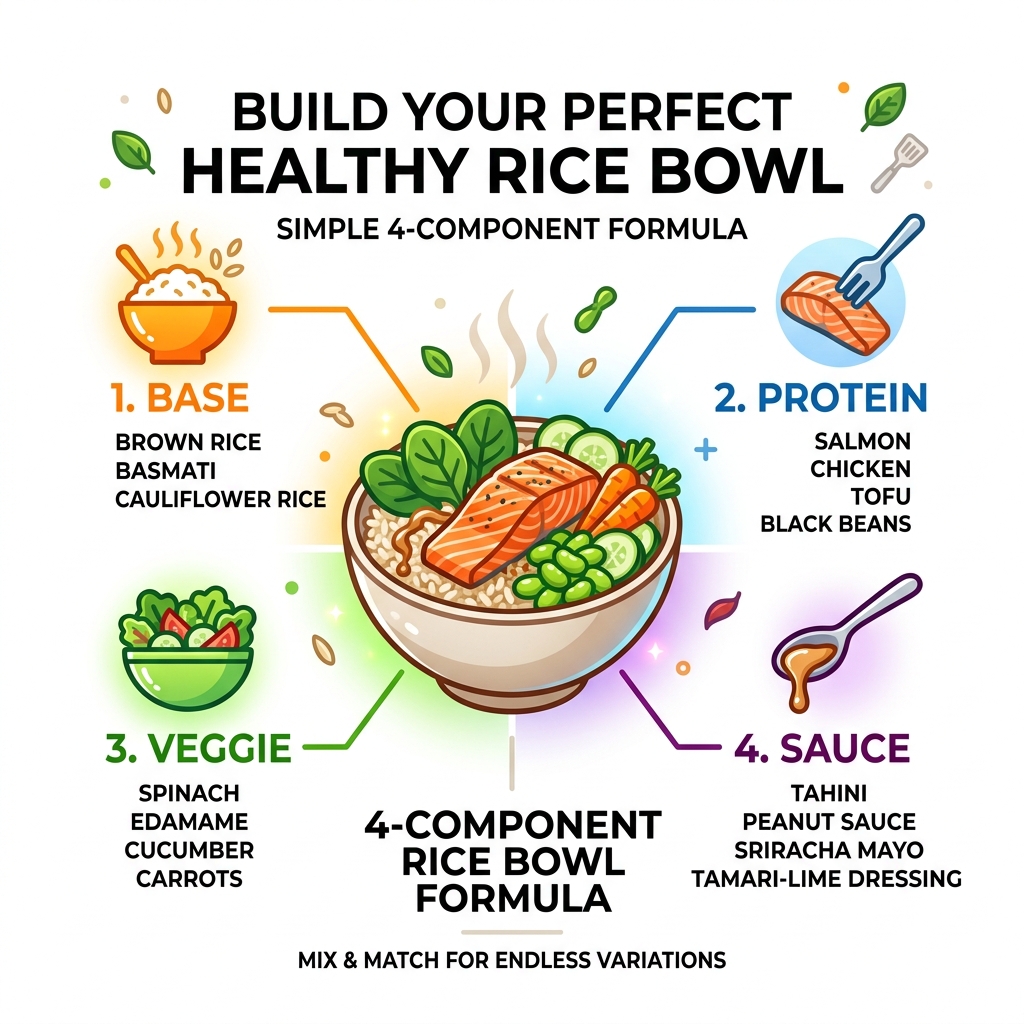
The 4 components of a healthy rice bowl:
- Base – Brown rice, basmati, or cauliflower rice
- Protein – Salmon, chicken, tofu, or black beans (aim for 15g+ per serving)
- Veggies – Roasted, raw, or sautéed (spinach, edamame, cucumber, carrots)
- Sauce – Tahini, peanut sauce, sriracha mayo, or tamari-lime dressing
That’s it. Mix and match. Done.
Rice bowls work because they’re modular. You don’t need a recipe every time. You just need a system.
Got leftover rice and a few fridge vegetables about to go bad? That’s already most of a meal. Add a protein and a quick sauce, and you’ve got something genuinely satisfying — without ordering takeout.
Brown rice alone contains 1.4g of fiber per 100g cooked (compared to just 0.4g in white rice), and when you stack it with lean protein and vegetables, you’ve built a meal that keeps you full for hours.
Below, we cover the best recipes, tips, and strategies to make rice bowls your go-to weeknight solution.
Why healthy rice bowl recipes are the Ultimate Meal Prep Solution
If you have ever stared at a fridge full of random ingredients at 5:00 PM with zero dinner plans, you know the temptation of the delivery app. We have all been there. However, healthy rice bowl recipes act as a safety net for busy lifestyles. They are the ultimate “clean out the fridge” meal that still feels like a gourmet choice.
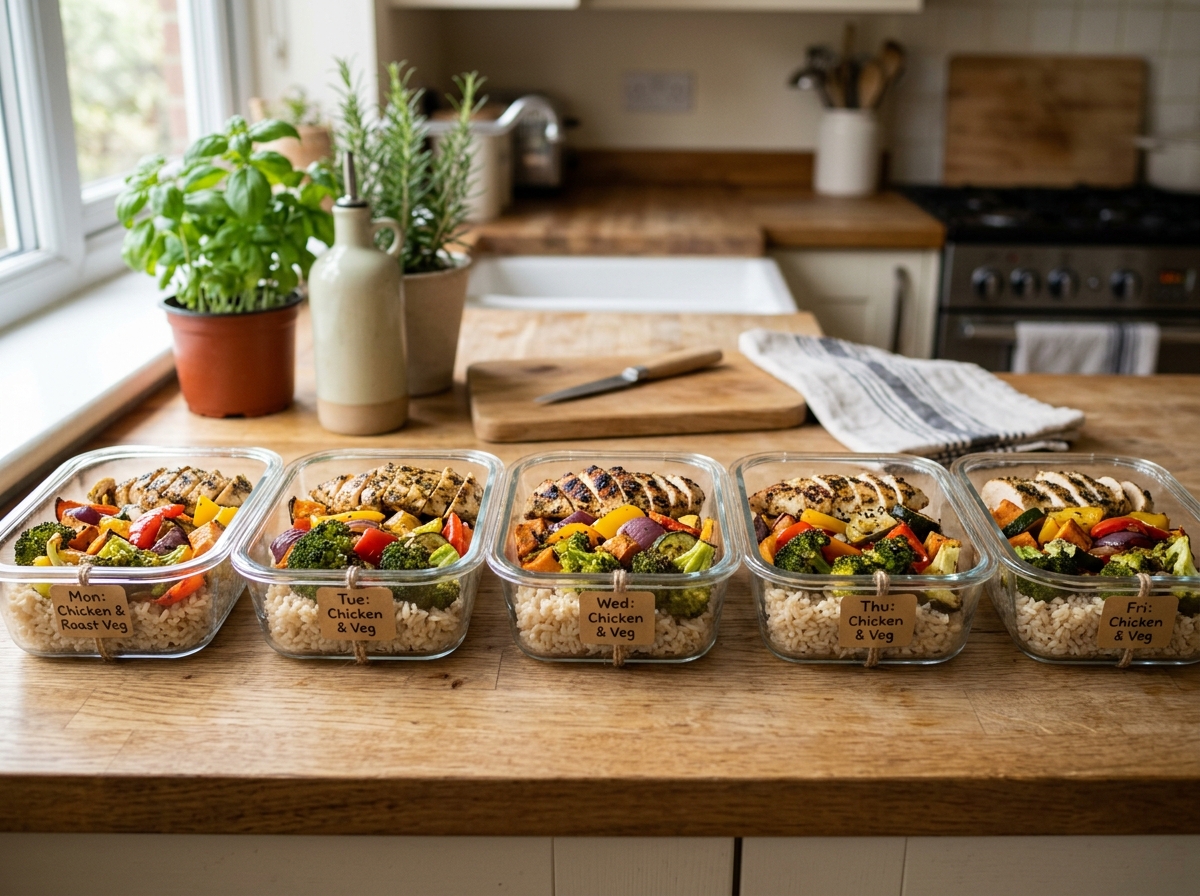
One of the biggest advantages of these bowls is their role in a sustainable Simple Meal Prep Recipes for Healthy Eating routine. Because the components are modular, you can cook a large batch of rice and a tray of protein on Sunday, then swap out the vegetables and sauces throughout the week to keep things interesting.
From a nutritional standpoint, rice is a powerhouse. Brown rice, in particular, is a significant source of folate, which helps your body produce and maintain new cells. It is also packed with fiber, which is essential for weight management. Fiber slows down digestion, meaning you feel full longer and are less likely to reach for sugary snacks an hour after lunch.
When it comes to the “rice” part of the bowl, not all grains are created equal. Depending on your health goals—whether it’s high fiber, low glycemic index, or low calorie—your choice of base matters.
Rice Comparison Table
| Rice Type | Fiber (per 100g) | Glycemic Index (GI) | Best For… |
|---|---|---|---|
| Brown Rice | 1.4g | Medium | Maximum nutrients and fiber. |
| White Rice | 0.4g | High | Quick energy and easy digestion. |
| Basmati Rice | 0.4g | Low | Blood sugar control with a fluffy texture. |
| Black Rice | 2.0g+ | Low | High antioxidants (Anthocyanins). |
| Cauliflower Rice | 2.0g | Very Low | Low-carb and weight loss goals. |
Using basmati rice is a pro-tip for those who love the texture of white rice but want the health benefits of a low-GI food. It breaks down slowly in the bloodstream, preventing those mid-afternoon energy crashes.
Essential Components of a Balanced Bowl
To move beyond a simple “bowl of rice” and into the territory of a truly nourishing meal, we need to balance our macronutrients. A common mistake is overloading the bowl with rice and skimping on the things that actually provide satiety: protein and fiber.
1. Lean Proteins
Protein is the anchor of your bowl. To ensure you stay full, we recommend aiming for at least 15 grams of protein per serving. This can come from animal sources like seared salmon, chicken thighs, or lean ground turkey. If you prefer plant-based options, edamame, black beans, and tofu are excellent choices.
2. Complex Carbohydrates
While rice is the star, don’t be afraid to mix it up. You can blend your rice with quinoa or even “stretch” it by mixing in cauliflower rice to increase the volume without adding significant calories.
3. Veggie Power Bowl Concepts
Vegetables provide the “volume” that makes a bowl look and feel satisfying. We love using a mix of textures. Try combining roasted sweet potatoes with raw, crunchy Minimalist Salad Recipes for One ingredients like shredded cabbage or quick-pickled cucumbers. This diversity of color usually signals a wide range of micronutrients—the more colors in your bowl, the more vitamins you’re getting.
4. Healthy Fats
Fats are essential for absorbing certain vitamins (A, D, E, and K). A few slices of avocado, a sprinkle of toasted sesame seeds, or a drizzle of olive oil in your dressing can make the meal far more satisfying.
5 Minimalist Recipes to Try This Week
We focus on recipes that take 30 minutes or less and use minimal equipment—often just one skillet or a single sheet pan.
Quick High-Protein healthy rice bowl recipes
For those focusing on muscle maintenance or weight loss, high-protein bowls are essential.
- Miso Salmon Rice Bowl: Marinate salmon cubes in a mixture of miso paste, honey, and tamari. Sear them in a hot skillet for 2-3 minutes per side until they develop a sticky, caramelized crust. Serve over ginger-scented rice.
- Cilantro Lime Chicken Bowl: Use chicken thighs for better flavor and juiciness. Season with cumin and garlic, then pan-fry. This pairs perfectly with a Healthy Chicken Stir-Fry Recipes for Weight Loss and Happy Tummies approach—tossing the veggies in the same pan right after the chicken is done.
- The 15-Minute Turkey Taco Bowl: Lean ground turkey cooks incredibly fast. Season it with chili powder and lime, then serve over rice with black beans and corn. It’s a classic for a reason. Check out The Only Healthy Chicken and Vegetable Stir-Fry Recipe You Need for more inspiration on quick protein-and-veg combos.
Plant-Based healthy rice bowl recipes for Longevity
Plant-based bowls are often higher in fiber, which is great for gut health and long-term wellness.
- Teriyaki Tofu Bowl: Press your tofu to remove excess water, cube it, and sear until crispy. Toss with a low-sodium teriyaki sauce and serve with steamed broccoli.
- Mango Ginger Rice Bowl: This is a refreshing summer favorite. Combine Simple Rice and Beans Meals with fresh mango chunks, pickled ginger, and a tamari-lime vinaigrette. The sweetness of the mango offsets the saltiness of the beans perfectly.
- Veggie Power Bowl: Use veggie power bowl techniques by loading up on “jammy” soft-boiled eggs, edamame, and ribbons of carrots over black rice.
Pro Tips for Perfect Grains and Flavorful Toppings
The difference between a “sad” rice bowl and a restaurant-quality meal often comes down to the details of preparation.
Mastering the Rice
- Rinse Your Rice: Always rinse your rice under cold water until the water runs clear. This removes excess surface starch and prevents the rice from becoming a gummy, mushy mess.
- Salt the Water: Just like pasta, rice needs seasoning from the inside out. Add about half a teaspoon of salt per cup of dry rice to the cooking water.
- Don’t Stir: Once the rice is simmering and covered, leave it alone! Agitating the grains releases starch and leads to mushiness.
- Infuse Flavor: Instead of plain water, try cooking your rice in vegetable or chicken broth. You can also add a smashed clove of garlic or a slice of ginger to the pot for an aromatic boost.
Elevating the Toppings
A great sauce is what makes healthy rice bowl recipes craveable. Instead of store-bought dressings that are often loaded with sugar and preservatives, we recommend quick homemade versions. A simple blend of tahini, lemon juice, and a splash of water makes a creamy, nutrient-dense topping.
For extra crunch, try quick-pickling your vegetables. Toss sliced cucumbers or red onions in a splash of rice vinegar and a pinch of sugar. Let them sit for 10 minutes while you cook your protein. This adds a bright acidity that cuts through the richness of proteins like salmon or avocado. If you want to dive deeper into these techniques, learning How to Master the Art of Healthy Stir-Fry for Weight Loss will give you the skills to cook vegetables perfectly every time—aim for “al dente” to keep that satisfying crunch.
Frequently Asked Questions about Rice Bowls
Which rice is best for weight management?
For weight management, we generally recommend brown rice or black rice due to their high fiber content (about 1.4g to 2.0g per serving). Fiber increases satiety, helping you eat less overall. However, if you are looking for the lowest calorie option, cauliflower rice is the winner, providing a high-volume “filler” for a fraction of the calories of grain-based rice. Basmati rice is also a great choice because of its low glycemic index, which helps keep blood sugar levels stable.
How long can I store prepped rice bowls?
Cooked rice is safe and delicious when stored correctly. You should cool it quickly and place it in an airtight container in the refrigerator within an hour of cooking. It will stay fresh for 4 to 6 days. For longer storage, you can freeze cooked rice for up to 3 months.
Pro-tip for Meal Prep: Store your sauces and “wet” ingredients (like salsa or dressing) in separate small containers. This prevents the rice from becoming soggy and keeps the vegetables crisp. When reheating, add a teaspoon of water to the rice and cover it to create steam—this restores the fluffy texture.
Should rice bowls be served hot or cold?
The beauty of healthy rice bowl recipes is their versatility. They can be served either way!
- Hot: Traditional stir-fry bowls, burrito bowls, and teriyaki bowls are usually best served warm.
- Cold: Poke-style bowls (like a chilled miso salmon bowl) or Mediterranean-style bowls with feta and cucumbers are refreshing when served cold or at room temperature.
- The Hybrid: Many people prefer “warm-cold” bowls, where the rice and protein are warm, but the toppings (avocado, sprouts, cabbage) are cold and xcrisp.
Conclusion
At Finance Savex, we believe that healthy eating shouldn’t be a secondary job. By mastering a few healthy rice bowl recipes, you are adopting a minimalist lifestyle that prioritizes both your time and your nutrition. These bowls prove that you don’t need a long list of ingredients or hours in the kitchen to create a meal that supports your health goals.
Whether you are looking for high-protein fuel after a workout or a quick way to use up Sunday’s leftovers, the modular rice bowl is your best friend. Start with a solid base, add a lean protein, pile on the veggies, and tie it all together with a simple sauce.
Ready to expand your minimalist cooking repertoire? Explore more in our Healthy Choices Guide for ultra-simple recipes designed for busy lives.
